
Blog
Stay up to date with all the latest community association industry news. Subscribe to this blog and receive notifications of new posts by email here
Sewer Backups, Roof Leaks, and Pipe Breaks: How to Respond, and Who is Responsible for Repairs?
This article first appeared in the Communicator, Fall 2025 Edition. To view click here.
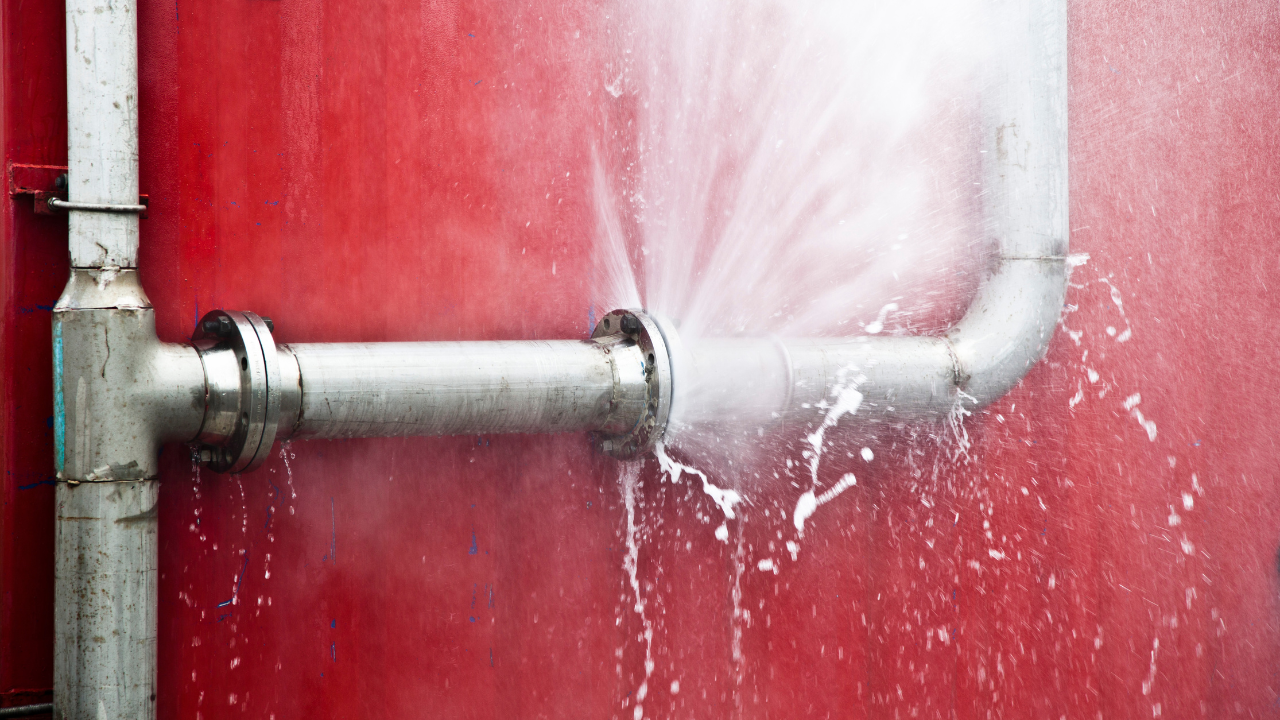
When catastrophe strikes in the form of sewer backups, roof leaks, and pipe breaks, it is often unclear what to do. Then, once the initial emergency is handled, the larger question of who is responsible to pay for the repairs must be addressed.
SEWER BACKUPS
Worse than a simple pipe leak, a sewer backup can become a hazmat situation. The initial response to such an emergency is: (1) immediately fix the leak (or clog), and (2) notify insurance of the loss. As part of the initial repair, be sure to have the plumber or repair person document what is causing the backup and, most importantly, where the blockage is located. Photos and drawings of locations are key because responsibility for repair of sewer backups is typically determined by location. The board has a fiduciary obligation to investigate the cause of the damage, so it is essential to engage a plumbe...
When to Re-pipe Your Community and How to Fund It
By Eric Lecky
As Every Community manager and community association leader knows, building components begin to fail as they age—and your pipes are no exception. Depending on the material, a building’s pipes may begin to develop age-related cracks and leaks within a few decades of installation, sometimes less.
The question then becomes: When do you repair the pipe and when do you replace the entire piping system?
KNOWING WHEN TO RE-PIPE
Based on estimated useful life tables, some piping materials may begin to fail after 30 years, while others may not show signs of age until 50 years. Because pipe replacement is expensive, you could start assessing your piping systems periodically when your building reaches 20 years old, giving yourself time to reserve funds for a future re-pipe.
Unfortunately, most community managers and boards aren’t regularly testing their pipes, and so they first face the decision to repair or replace when their properties are already experiencing frequent leaks ...
Water Heater Leaks
Common, Costly and Concerning
By Steven Fielding
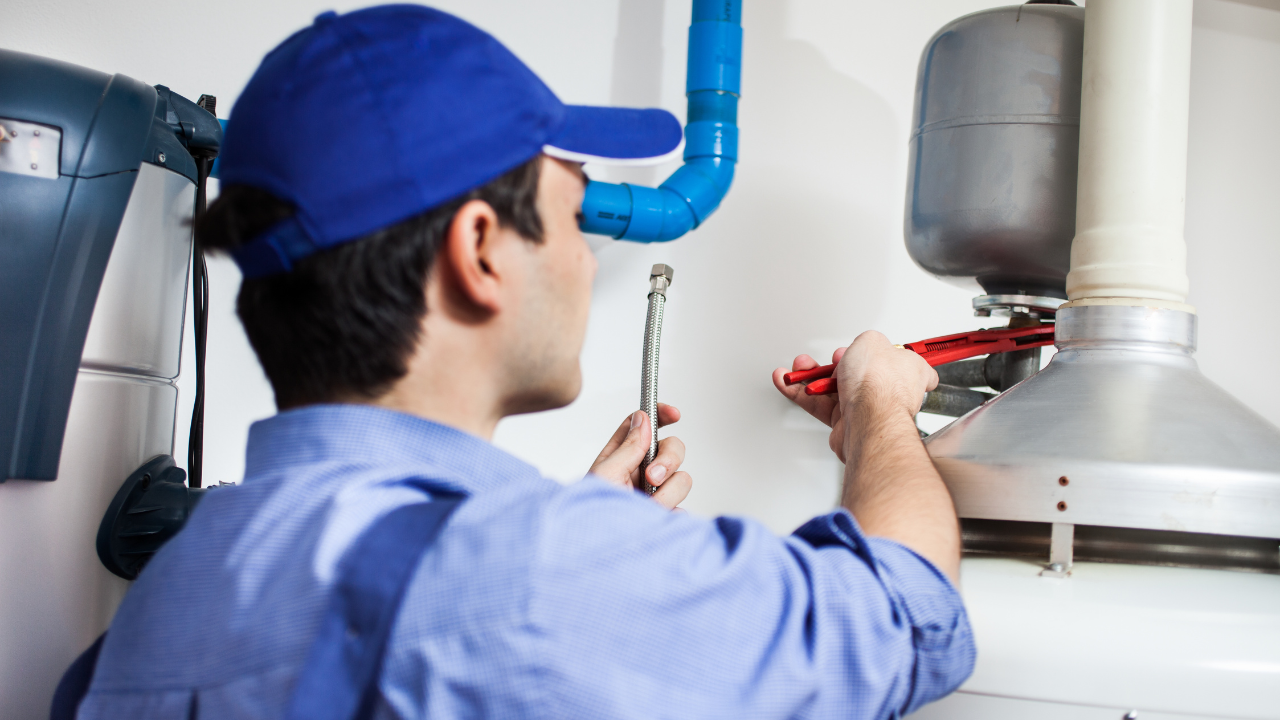
THE GOVERNING BOARDS of condominium associations worry about many things. Reserves, rules enforcement, insurance costs, maintenance, pets, parking, and COVID are on a long list of things that keep trustees and association managers up at night. Water heaters probably are not, but they should be. Here are a few hard – or soggy – facts:
- Water damage is one of the two leading property damage risks faced by homeowners, representing nearly one-third of all homeowner claims filed annually, exceeded only by wind and hail damage.
- One in every 50 insured homeowners files a water damage claim every year; the average claim cost is about $7,000, adding up to more than $2.5 billion in insured losses annually, according to the Insurance Information Institute.
- There are no statistics on how many of those claims are attributable to water heaters, but 75 percent of all water heaters will fail – usually without warning – within 12 years of their purch ...