




Stay up to date with all the latest community association industry news. Subscribe to this blog and receive notifications of new posts by email here
By Anuj Gupta
This article first appeared in our Communicator Magazine, Summer 2025 Edition.
If youāve been on an HOA board long enough, you know that financial conversations usually revolve around the obvious ā roof replacement, paving schedules, insurance premiums, maybe even lawsuits. But thereās one line item that shows up on every budget, year after year, and yet doesnāt always get the longāterm thought it deserves: landscaping.
Most communities treat landscape maintenance as an operational expense, a necessary part of keeping things neat. What often gets missed is that landā scaping is actually tied to some of the biggest financial decisions your association will face ā whether itās planning for reserves, avoiding special assessments, managing liability, or keeping property values high. Iāve worked with enough HOAs over the last 10 years to see that the communities who take a longāterm, strategic view of their landscaping avoid headaches. The ones who donāt? Theyāre usually the ...
By Robert W. Browning, PCAM, RS
For years, tariffs were a topic mostly confined to college classrooms and economic policy debates. But, as recent headlines have shown, tariffs have stepped firmly into the mainstream ā and with them, new and unexpected implications are emerging across various sectors, including reserve studies.
If our office is any indication, in recent months, reserve specialists are fielding an increasing number of questions: Are tariffs impacting reserve studies? If so, how should associations respond? This article explores what tariffs are, how they might influence reserve funding plans, and what tools associations can use to mitigate their effects.
What Is a tariff? A tariff is defined by Random House Websterās Dictionary (1996) as āa schedule of duties imposed by a government on imports or exports.ā In practical terms, tariffs are taxes placed on goods entering (or leaving) a country, designed to influence trade dynamics, support domestic industries, or a...
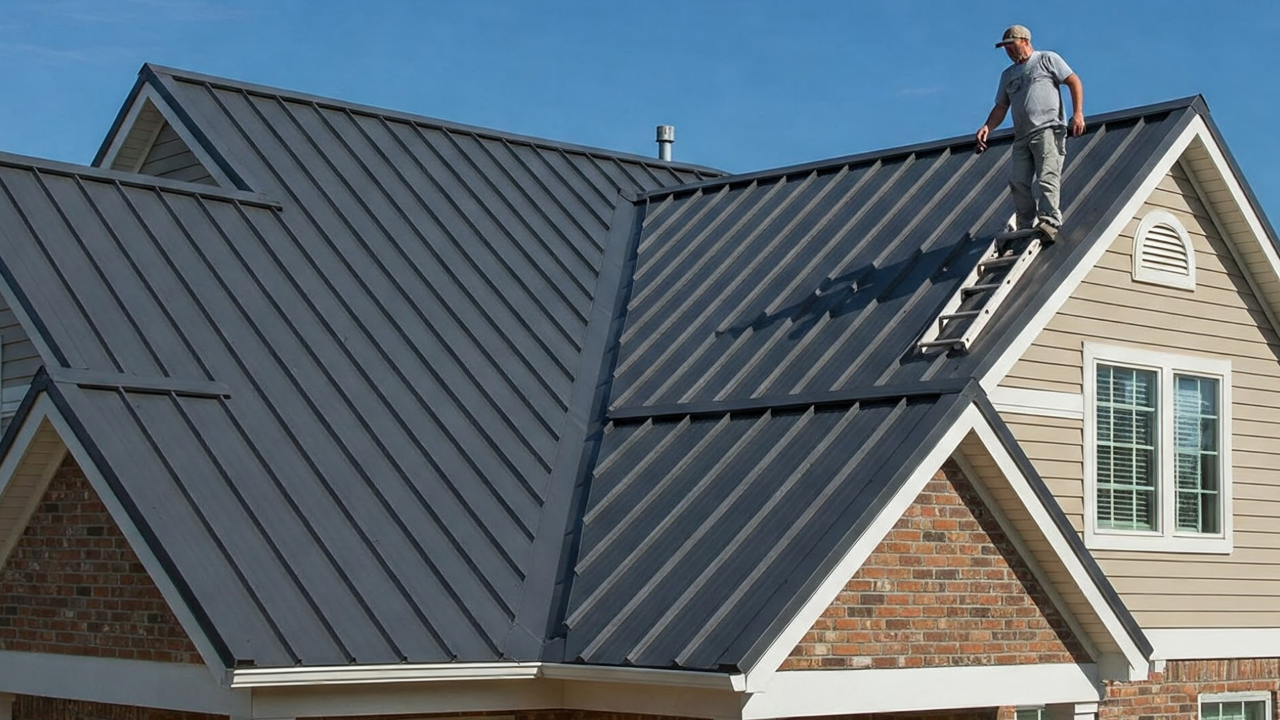
by Colleen Montoya from Whit's PaintingĀ
If you were anywhere near San Pedro Square Market on July 31, you probably heard it ā the laughter, the music, and the unmistakable hum of our CAI community having anĀ amazingĀ time. Thatās right, Summer Fest 2025 was in full swing, and it was one for the books! From the moment guests arrived, the vibe was pure summer magic. The warm evening air, the buzz of conversation, and the scent of incredible food drifting through the market set the perfect stage for an unforgettable night.
One of the best things about the venue? The endless lineup of mouthwatering options. And everyone that came made the most of it! People were wandering with tacos in one hand, sliders in the other, even a mochi donut (or two) for dessert. There were so many tempting flavors to explore that ājust one plateā quickly turned into āokay, maybe three.ā Zero regrets.
It wasnāt just the two-legged guests having a blast eitherā the four-legged ones were living their best lives, ...
By Robert M. DeNichilo, Esq., CCAL
CLAC Legislative Co-Chair, Orange County Regional Chapter Delegate
This article first appeared inĀ The Communicator Magazine, Spring 2025.
CAIāS CALIFORNIA LEGISLATIVEĀ Action Committee (CLAC) hit the ground running in 2025 in pursuit of its legislative agenda, which included allowing emergency assessments to cover the cost of insurance premiums and liability protection for associations and board membersĀ who are unable to purchase the level of insurance coverage required by CC&Rs for a reasonable cost, or at all. While the bill introduction deadline passed without CLAC being able to secure anĀ author for its proposed bills, we continue working and are hopeful of getting someĀ cleanup legislation into an omnibus bill.
Ā
In addition to pursuing its legislative agenda, CLAC is taking positions onĀ several bills introduced that will significantly impact associations and man- agers. AB-739 (Jackson) would require all managing agents to be licensed real esta...
By Jacqueline Vanacek
This article first appeared inĀ The Communicator Magazine, Spring 2025.
When I moved from the San Francisco Bay Area to the Gulf Coast of Florida, I thought I was done being an HOA board president. Not so! Now I have one HOA foot on each coast.
It is fascinating to see homeowner associations end to end, from a builder board in Florida to an owner board in California. And boy are those board objectives different. In 2024, I attended CAI West Florida Chapterās āHome On The Rangeā to learn about Floridaās HOA best practices. As a California board director living in a Florida HOA, I was looking for common ground.
WHERE DID HOAS COME FROM?
California has the largest number of homeowner associations in the country, with approximately 80% of multi-family residences in HOAs. Homeowner associations (HOAs), or common interest developments (CIDs), first appeared in the 1960s when high density housing exploded. Cash-strapped municipalities looked to āassociationsā to fund...
By Kimberly Lilley, CIRMS, CMCA
This article first appeared inĀ The Communicator Magazine, Spring 2025.
Most of us have been impacted by the insurance crisis in California, and if we havenāt been impacted yet, we will be. California has billions of dollars of property that needs insurance, and as losses piled up between 2017 and 2022, carriers in CA tightened their underwriting criteria, limited the amount of property they would insure, or left the state entirely in order to stay solvent. This constriction in the insurance marketplace left many without affordable or adequate insurance, and too often, no insurance options at all.
In this vacuum, carriers are being creative in finding ways to write insurance in CA, while reducing their risk enough for it to be reasonable for them to do so. One way of managing risk is to spread it out over multiple carriers, so each only takes a small part of the risk, ensuring that none of them hold the lionās share of the losses if one should occur.
...
Similarities, differences, and what to expect.
By Cecilia Garza & Tina Keele
This article first appeared inĀ The Communicator Magazine, Spring 2025.
PART I: THE PROCESS FOR QUOTING A NEW COMMUNITY
When an insurance agent seeks to obtain quotes for a homeownerās association (HOA), a structured marketing process is essential. This process ensures that the agent collects com- prehensive and accurate data, selects the most suitable carriers, and presents competitive and appropriate coverage options to the HOA board. Each step of the process is critical in minimizing risk, ensuring compliance, and ultimately securing a policy that meets the HOAās needs. Here, we explore the detailed steps and rationale behind each stage of this process.
Why Data Matters
The first and most crucial step in obtaining an HOA insurance quote is com- prehensive data collection. Accurate data allows insurance carriers to assess risks effectively and provide tailored coverage. It also helps ensure that the po...
By Terri Guest
This article first appeared inĀ The Communicator Magazine, Spring 2025.
It seems the new trigger word in the common interest development industry is āZinsco.ā Electrical panels and breakers manufactured by this company, as well as several others, have been deemed unsafe by Underwriters Laboratories (UL) as they have the potential to overheat and cause fires. Thus, several insurance carriers have drawn a hard line when it comes to these items, and communities with certain com- ponents will have a difficult, if not impossible, time finding insurance coverage.
Zinsco panels, also sometimes branded as GTE-Sylvania, were installed in the 1960s and 70s and their circuit breakers have been known to melt into the main bus bar, which can start a fire. Federal Pacific panels and Stab-Lok breakers have similar issues and can fail to trip when overloaded. Originally used in the 1950s, Federal Pacific panels and breakers have been used as recently as the early 1990s. Other electri...
By Mandi Newton, CAI BayCen President
As we welcomeĀ the vibrant season of spring, I am reminded of the growth, renewal, and new opportunities that come with this time of year. At CAI, we too are experiencing a season of growth ā building on the strength of our community and continuing to focus on the values that guide us: engage, empower, elevate.
This spring marks an exciting point in our journey together. Weāve already made strides in fulfilling the promises we set out to fulfill at the start of the year, and Iām energized by the collective momentum weāve built. Your enthusiasm and commitment toĀ engaging with one another have been inspiring, and itās clear that we are creating a lasting impact both within our industry and in the communities we serve.
One of the core pillars of our theme, empower, continues to be central to everything we do. Whether itās through education, networking, or shared leadership, we are empowering one another to be more eff...
Legal Responsibilities and Liabilities. This article first appeared in The Communicator Magazine, Winter 2025 Issue.
WHETHER YOU LIVEĀ in a quiet suburban neighborhood, condo, coop, master, sub, or other type of planned community association, you likely have a board of well-intentioned volunteers dedicated to maintaining the charm and harmony of their shared slice of home. However, when what seems like a minor decision about a violation or property boundary ends up leading to a lawsuit, it becomes clear that the board has unknowingly overstepped their legal authority.
This scenario is not uncommon. Across the country, community association boards face significant legal challenges, often stemming from misunderstandings or misapplications of the law or their responsibilities. These legal missteps can lead to costly consequences for both the board members and the communities they serve, highlighting the critical importance of understanding the legal responsibilities and po...